

For industrial manufacturing and laboratory research purposes only.
Product Specifications
| Parameter | Value |
|---|---|
| CAS Number | 352-97-6 |
| EINECS | 206-529-5 |
| Type | Organic Intermediate |
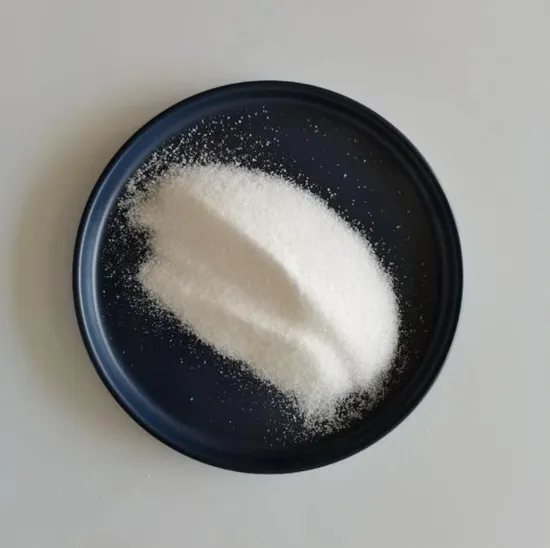
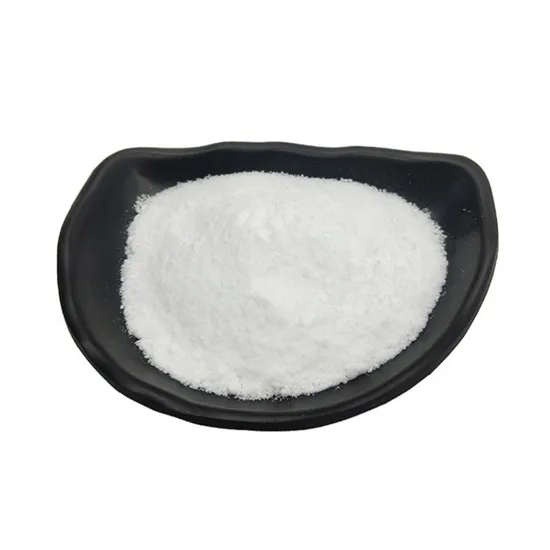
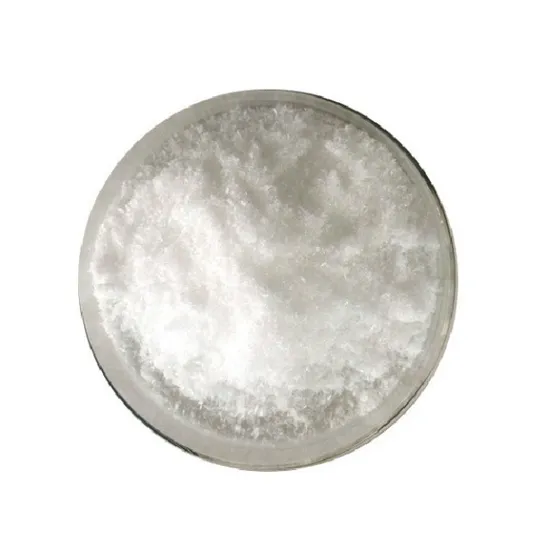
| Appearance | White Powder |
| Quality | Refined |
| Delivery Time | 7~15 Days |
| Transport Package | Land, Sea and Air |
| Specification | 1/25/100kgs per bag |
| Origin | Shandong China |
| Production Capacity | 50,0000 Pieces Per Year |
Overcoming Synthesis Challenges with Guanidineacetic Acid CAS 352-97-6
As a chemical supplier with over a decade in the industry, we've witnessed countless research teams and manufacturing plants struggle with inconsistent organic intermediates—impure powders causing unexpected副反应, delayed deliveries disrupting production timelines, and batch-to-batch variations making实验结果难以复现. These issues aren't just frustrating; they directly impact project costs and scientific reliability.
A Stable Foundation for Chemical Synthesis
Our Guanidineacetic Acid CAS 352-97-6 addresses these critical pain points through a refined production process that ensures consistent quality. Sourced from Shandong's specialized chemical manufacturing hub, this white powder organic intermediate integrates seamlessly into industrial synthesis workflows, supporting both small-batch R&D and large-scale production needs. With a production capacity of 500,000 pieces annually, we eliminate supply chain bottlenecks that often plague chemical procurement.
Key Applications in Industrial Chemistry
Guanidineacetic Acid serves as a vital organic intermediate for chemical synthesis, playing a crucial role in the production of pharmaceuticals, agrochemicals, and specialty chemicals. Its unique molecular structure makes it valuable for creating nitrogen-containing compounds, where purity and structural integrity directly influence reaction efficiency and end-product quality. All applications are strictly limited to industrial manufacturing and laboratory research environments.
The Critical Role of Purity and Consistency
The refined quality of our Guanidineacetic Acid directly impacts synthesis outcomes: high purity minimizes副反应 and impurity interference, ensuring cleaner reaction pathways and reducing purification costs. The white powder appearance serves as a visual indicator of quality—any discoloration would signal potential contamination. Our standardized packaging (1/25/100kgs per bag) not only facilitates easy handling but also reduces material waste, while strict production controls guarantee batch-to-batch consistency essential for scalable manufacturing processes.
Risk Mitigation Through Reliable Sourcing
Choosing substandard Guanidineacetic Acid poses significant risks: impure intermediates can compromise entire synthesis batches, leading to financial losses and project delays. Our product mitigates these risks by adhering to rigorous quality standards, supported by a supply chain with proven stability. The 7-15 day delivery window allows for predictable planning, while multiple transport options (land, sea, air) ensure flexibility for urgent research needs or large-scale industrial orders.
Our Commitment to Quality Assurance
Every batch of Guanidineacetic Acid undergoes comprehensive testing, including identity verification via CAS 352-97-6 cross-referencing and purity analysis through advanced analytical techniques. We provide a Certificate of Analysis (COA) with each shipment, detailing key quality parameters for traceability. Our production facility in Shandong operates under strict quality management protocols, ensuring that each 1/25/100kgs package meets the same high standards. Should any non-conformities arise, our responsive customer service team ensures prompt resolution, including product replacement when necessary.
Certificate of Analysis & Documentation
All orders include a batch-specific Certificate of Analysis (COA) and Material Safety Data Sheet (MSDS), essential for regulatory compliance and safe handling. For critical applications requiring additional verification, specific batch test data can be requested using your order number, and detailed analytical records are maintained for quality追溯.
Storage & Handling
- Store in a cool, dry, well-ventilated area, sealed and away from direct sunlight.
- Keep away from incompatible materials, food and feed sources.
- Handle with appropriate personal protective equipment (gloves, goggles, lab coat).
- Follow good industrial hygiene practices. Avoid inhalation and skin contact.
- Refer to MSDS for detailed storage and safety instructions.
Simple Steps to Secure Your Supply
Initiate your order by consulting our technical team to confirm specifications—we welcome detailed inquiries about batch testing and application suitability. Request a sample for evaluation to ensure compatibility with your synthesis processes, then proceed to bulk ordering with flexible packaging options. Every shipment arrives with complete documentation, supporting seamless integration into your quality management system.
Frequently Asked Questions
Q: What is the shelf life of Guanidineacetic Acid CAS 352-97-6?
A: When stored properly in sealed containers under recommended conditions, the product maintains stability for 24 months from the production date indicated on the COA.
Q: Can this product be used for food, pharmaceutical, or household applications?
A: No. This product is strictly for industrial and laboratory research use only, and is not intended for direct human consumption, therapeutic purposes, or household use.
Q: What documentation is provided with each order?
A: Every shipment includes a Certificate of Analysis (COA) specific to the batch and a Material Safety Data Sheet (MSDS) with handling and safety information.
Q: Is custom packaging available beyond the standard 1/25/100kgs bags?
A: For large-volume industrial orders, custom packaging solutions can be discussed with our sales team to optimize storage and handling efficiency.
Q: How is the purity of your Guanidineacetic Acid ensured?
A: Our refined quality standard is maintained through rigorous in-process testing and final batch analysis, with results documented in the accompanying COA.