Vitamin A Palmitate CAS# 79-81-2
Fast Delivery

Quality Assured

24h Response

7-15 Day Ship

Vitamin A Palmitate CAS# 79-81-2

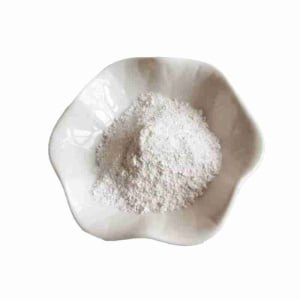
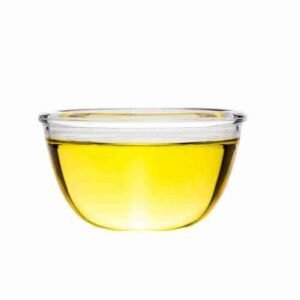
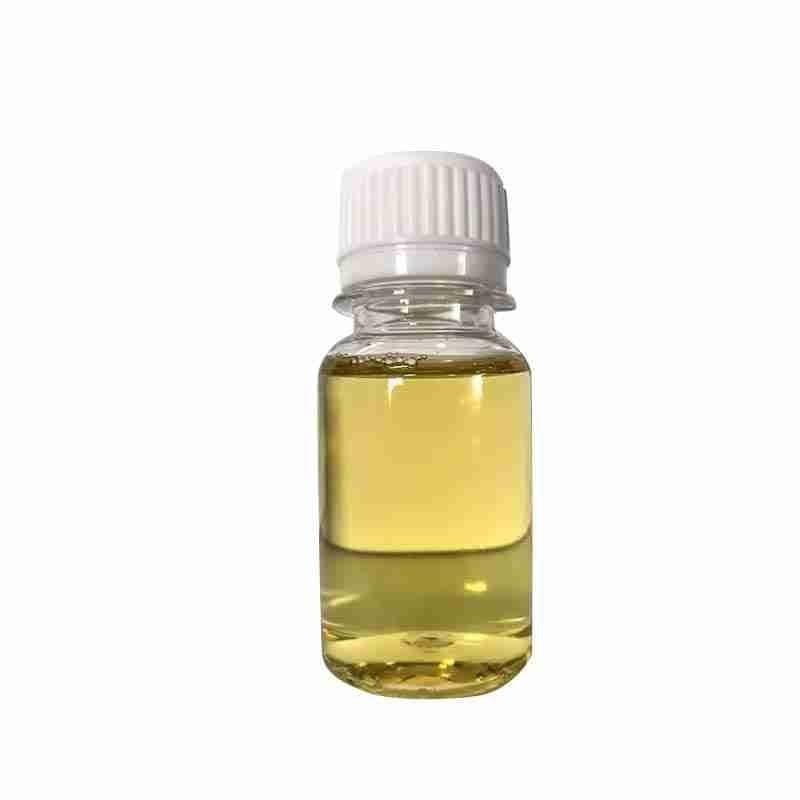
Vitamin A ester derivatives mainly refer to its alkyl acid esters, such as vitamin A acetate, vitamin A palmitate, etc. Due to the instability of vitamin A, commercial vitamin A is available in the form of its ester. However, vitamin A acetate easily absorbs water and gets damp, while vitamin A palmitate is more stable than vitamin A acetate. Vitamin A, commonly known as retinol, is an unsaturated monohydric alcohol with an ester ring. It is a yellow flaky crystal or crystalline powder. It is a fat-soluble vitamin. It is insoluble in water and glycerol, and soluble in alcohol, ether, hydrocarbon, Most organic solvents such as halogenated hydrocarbons. Retinol palmitate is an ester of retinol combined with palmitic acid, a saturated fatty acid that is the main component of palm oil. Retinyl palmitate is easily absorbed by the skin and then converted into retinol. It is a yellow or yellow-red solid or oily substance.

Fast Response Guaranteed
sales@didichem.com
+86-15288742231

Vitamin A ester derivatives mainly refer to its alkyl acid esters, such as vitamin A acetate, vitamin A palmitate, etc. Due to the instability of vitamin A, commercial vitamin A is available in the form of its ester. However, vitamin A acetate easily absorbs water and gets damp, while vitamin A palmitate is more stable than vitamin A acetate.

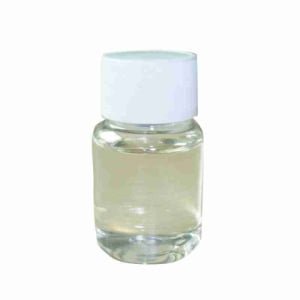
Vitamin A, commonly known as retinol, is an unsaturated monohydric alcohol with an ester ring. It is a yellow flaky crystal or crystalline powder. It is a fat-soluble vitamin. It is insoluble in water and glycerol, and soluble in alcohol, ether, hydrocarbon, Most organic solvents such as halogenated hydrocarbons. Retinol palmitate is an ester of retinol combined with palmitic acid, a saturated fatty acid that is the main component of palm oil. Retinyl palmitate is easily absorbed by the skin and then converted into retinol. It is a yellow or yellow-red solid or oily substance.

Category:

Description

Vitamin A Palmitate CAS# 79-81-2

Vitamin A palmitate Basic information
Product Name: Vitamin A palmitate
Synonyms: VITAMINAPALMITATE,LIQUIDINOIL,1MILLIONIU/G;VITAMINAPALMITATE,USP;[(2E,4E,6E,8E)-3,7-dimethyl-9-(2,6,6-trimethyl-1-cyclohexenyl)nona-2,4,6,8-tetraenyl] hexadecanoate;VITAMIN A PALMITATE(RETINYL PALMITATE)(RG);ALL-TRANS-RETINYLPALMITATE;VITAMIN-A-PALMITATE, STAB., 1750 U/MG;VITAMIN A PALMITATE LIQUID WITH TOCOPHERYL;all-trans-Retinol palmitate, VitaminA palmitate
CAS: 79-81-2
MF: C36H60O2
MW: 524.86
EINECS: 201-228-5
Product Categories: BAYPRESS;Vitamins and derivatives;79-81-2
Mol File: 79-81-2.mol
Vitamin A palmitate Structure
Vitamin A palmitate Chemical Properties
Melting point 28-29??
Boiling point 546.51??C (rough estimate)
density 0.9668 (rough estimate)
refractive index 1.5250 (estimate)
Fp 194??
storage temp. 2-8??C
solubility Chloroform (Slightly), Ethyl Acetate (Slightly), Methanol (Very Slightly)
form oil
Specific Gravity 0.90??0.93 (20??)
color Light Yellow to Yellow
Water Solubility Soluble in chloroform, ether, and vegetable oils. Insoluble in water.
Merck 13,10073
BRN 1917366
BCS Class 4
Stability: Light Sensitive
InChIKey VYGQUTWHTHXGQB-YFAKFODJSA-N
LogP 15.51 at 25??
CAS DataBase Reference 79-81-2(CAS DataBase Reference)
NIST Chemistry Reference Vitamin a palmitate(79-81-2)
EPA Substance Registry System Retinol, hexadecanoate (79-81-2)
Safety Information
Hazard Codes T,Xn,F
Risk Statements 63-53-61-11
Safety Statements 53-23-36/37/39-45-36/37-16-60
RIDADR UN1170 – class 3 – PG 2 – Ethanol, solution
WGK Germany 3
RTECS VH6860000
F 8-10-23
TSCA Yes
HS Code 29362100
Toxicity LD50 (10 day) in mice, rats (mg/kg): 6060, 7910 orally (Kamm)

Why Choose DidiChem

Solving the pain points of high MOQ and slow delivery for labs, startups, and R&D teams.

24-Hour Response

Fast quotation and delivery date confirmation for all urgent orders.

Small Batch Ready

No excessive minimum order quantities. We serve small-batch and trial production.

Custom Synthesis

Flexible production system for customized chemical synthesis on demand.

Full After-Sales

Complete logistics tracking and dedicated after-sales support team.

Quick Inquiry

Request a Quote

Fill in your requirements and we'll respond within 24 hours.

Submitting your inquiry...

By submitting, you agree to be contacted by our team. We respect your privacy.

Direct Contact

Get in Touch Now

Phone / WhatsApp

+86-15288742231

Email

sales@didichem.com

Address

Room 1001, Bldg 1, Hisense Chuangzhi Valley, Fenghuang Road, High-tech Zone, Jinan, Shandong, China

Our Commitment

  • Quote within 24 hours
  • 📦 Small batch orders welcome
  • 🔬 Custom synthesis available
  • 🚚 7-15 day delivery
  • 📋 CoA & documentation provided
  • 🛡️ Quality guaranteed

Who We Serve

University Labs Research Institutes Startup Companies Pharma R&D Chemical Engineers Pilot Production

Related Products

You might also be interested in these products.

Octyl 4-methoxycinnamate CAS#5466-77-3 Daily Chemicals

Octyl 4-methoxycinnamate CAS#5466-77-3

Octyl 4-methoxycinnamate, scientifically known as 2-Ethylhexyl 4-Methoxycinnamate, is a highly effective organic UV filter commonly used in the formulation of sunscreens and cosmetic products. This compound is renowned for its ability to absorb ultraviolet B (UVB) radiation, providing a reliable defense against the sun's harmful effects on the skin. Characterized by its chemical formula C19H28O3, Octyl 4-methoxycinnamate is a liquid ester that is readily soluble in organic solvents. It is valued for its photostability, which means it maintains its protective properties even after prolonged exposure to sunlight. This feature makes it an ideal ingredient for products designed to offer long-lasting sun protection. In addition to its UVB absorption capabilities, Octyl 4-methoxycinnamate is also appreciated for its compatibility with other UV filters, allowing for the creation of broad-spectrum sunscreens. It contributes to the development of formulations that are non-greasy and cosmetically elegant, suitable for a variety of skin types. <p class="last-node">As a key component in sun care products, Octyl 4-methoxycinnamate supports the skin's health by preventing sunburn, reducing the risk of skin cancer, and delaying the signs of photoaging. Its safety profile and efficacy make it a preferred choice in the personal care and dermatological industries for sun protection solutions.</p>

View Details
Isopropyl myristate CAS#110-27-0 Daily Chemicals

Isopropyl myristate CAS#110-27-0

Isopropyl myristate (IPM) is an ester-based compound commonly utilized as an emollient and solvent in the cosmetic and personal care industry. Derived from myristic acid and isopropanol, IPM possesses a lightweight, non-greasy texture that allows for easy absorption and spreadability on the skin. Chemically, it is represented by the formula C18H36O2, and it is known for its ability to dissolve a wide range of lipophilic (fat-soluble) ingredients, making it an ideal carrier for fragrances, vitamins, and other active components in formulations. IPM is also valued for its emollient properties, which help to soften and smooth the skin without leaving a residue. This ester is non-comedogenic, meaning it does not clog pores, and is suitable for various skin types, including sensitive and acne-prone skin. Its stability and compatibility with other ingredients make it a versatile component in the creation of lotions, creams, makeup products, and sunscreens. <p class="last-node">In summary, isopropyl myristate is a beneficial ingredient in skincare and cosmetic products due to its solubilizing capabilities, emollience, and non-comedogenic nature, offering a smooth application and enhancing the sensory experience without compromising skin health.</p>

View Details
Osthole CAS# 484-12-8 Daily Chemicals

Osthole CAS# 484-12-8

Osthole belongs to coumarin compounds. It is prismatic-like crystals (diethyl ether) and needle-like crystals (Ethanol) with the melting point being 83~84 ?? and the boiling point being 145~150 ??. It is soluble in alkaline solution, methanol, ethanol, chloroform, acetone, ethyl acetate, and boiling petroleum ether but insoluble in water and petroleum ether. Osthole has various kinds of effects of antispasmodic, hypotensive, anti-arrhythmic and enhancing immune function and broad-spectrum antimicrobial effect. Osthole can not only have efficacy such as anti-hypertensive, anti-arrhythmic, anti-inflammatory, anti-tumor and anti-osteoporosis effect, but can also act as a new type of biological pesticides with significant efficacy in treating pests and plant pathogens.

View Details
Patchouli Oil CAS# 8014-09-3 Daily Chemicals

Patchouli Oil CAS# 8014-09-3

Pogostemon cablin (Blanco) Benth Made from dried leaves. It is a viscous liquid ranging from reddish brown to greenish brown, with a unique, slightly camphor like woody fragrance.The patchouli shrub is mainly planted in Indonesia. It grows up to 1 meter, but when harvested, it will be cut to 10-15 centimeters. It is best to extract oil from sun dried leaves, with a yield of about 2%.The three terpenoids found in patchouli oil, namely caryophyllene, patchouli alcohol or patchouli alcohol, and nopachenol, are the typical sources of patchouli fragrance. Thin layer chromatography and high performance liquid chromatography are used to identify potential chemical markers for evaluating the quality of the Chinese herbal medicine ingredient ??patchouli herb?? (aboveground part of patchouli). In addition to the reported patchouli alcohol and 2-hydroxy-6-methyl-3- (4-methylpentanoyl) -4-pyranone, three phenylethane compounds (acteoside, isoacteoside, and crenatoside) were also isolated from this plant material for the first time.

View Details
Need This Product Fast?

Emergency Orders & Rush Delivery

DidiChem specializes in urgent procurement. Send us your requirements and receive a quote within 24 hours, with delivery in as fast as 7 days.