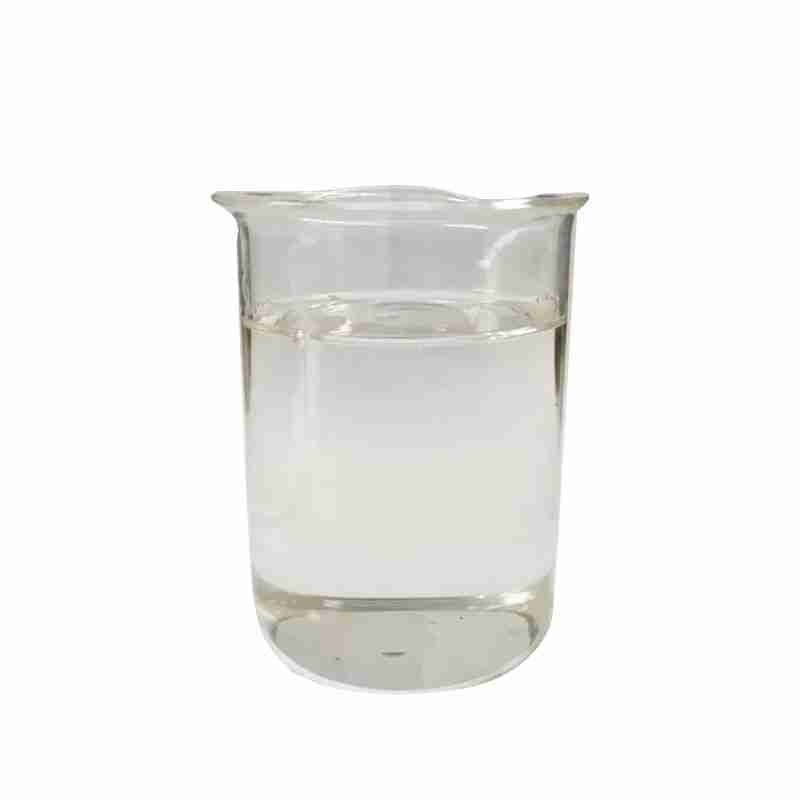
Silicone oil CAS#63148-62-9
Fast Delivery

Quality Assured

24h Response

7-15 Day Ship

Silicone oil CAS#63148-62-9

Silicone oil, known for its chemical designation as dimethicone or polydimethylsiloxane, is a synthetic polymer with a backbone of alternating silicon and oxygen atoms, creating a highly versatile and stable compound. It is renowned for its exceptional lubricating properties, heat resistance, and non-toxic nature, making it a staple in various industries, including cosmetics, automotive, and aerospace. This hydrophobic, non-volatile oil is valued for its ability to provide a smooth, non-greasy feel and to form stable emulsions with other ingredients. In personal care products, silicone oil is used to impart a silky texture, reduce friction on the skin, and create a protective barrier against environmental stressors without clogging pores. Silicone oil's chemical inertness and resistance to oxidation contribute to its long shelf life and stability in formulations. It is also appreciated for its compatibility with a wide range of substances, allowing for the creation of multifunctional products. <p class="last-node">In summary, silicone oil is a reliable and multifaceted ingredient, offering a combination of performance, safety, and sensory benefits. Its use in a variety of applications reflects its versatility and enduring appeal in the marketplace.</p>

Fast Response Guaranteed
sales@didichem.com
+86-15288742231

Silicone oil, known for its chemical designation as dimethicone or polydimethylsiloxane, is a synthetic polymer with a backbone of alternating silicon and oxygen atoms, creating a highly versatile and stable compound. It is renowned for its exceptional lubricating properties, heat resistance, and non-toxic nature, making it a staple in various industries, including cosmetics, automotive, and aerospace.

This hydrophobic, non-volatile oil is valued for its ability to provide a smooth, non-greasy feel and to form stable emulsions with other ingredients. In personal care products, silicone oil is used to impart a silky texture, reduce friction on the skin, and create a protective barrier against environmental stressors without clogging pores.

Silicone oil’s chemical inertness and resistance to oxidation contribute to its long shelf life and stability in formulations. It is also appreciated for its compatibility with a wide range of substances, allowing for the creation of multifunctional products.

In summary, silicone oil is a reliable and multifaceted ingredient, offering a combination of performance, safety, and sensory benefits. Its use in a variety of applications reflects its versatility and enduring appeal in the marketplace.

Description

Silicone oil Chemical Properties
Melting point ?59???C(lit.)
Boiling point 101???C(lit.)
density 0.963 g/mL at 25 ??C
Tg -123
vapor density >1 (vs air)
vapor pressure <5 mm Hg ( 25 ??C)
refractive index n20/D 1.377(lit.)
Fp >270 ??C (518 ??F)
storage temp. 2-8??C
solubility Chloroform (Slightly), Ethyl Acetate (Sparingly), Toluene (Sparingly)
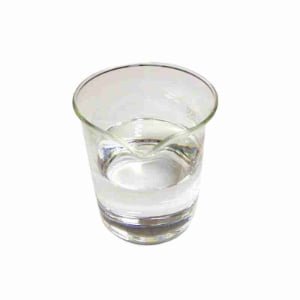
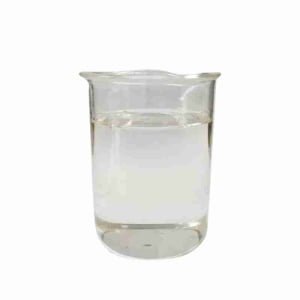
form Oily Liquid
Specific Gravity 0.853
color Clear colorless
Odor Odorless
Water Solubility PRACTICALLY INSOLUBLE
Merck 14,8495
Dielectric constant 2.7??Ambient??
Stability: Stable. Incompatible with strong oxidizing agents.
EPA Substance Registry System Dimethyl siloxanes and silicones (63148-62-9)
Safety Information
Hazard Codes
Risk Statements
Safety Statements
WGK Germany 1
RTECS JM9237000
F 10
Autoignition Temperature >400
TSCA Yes
HS Code 39100000
Hazardous Substances Data 63148-62-9(Hazardous Substances Data)
Toxicity LD50 oral in rat: > 17gm/kg

Why Choose DidiChem

Solving the pain points of high MOQ and slow delivery for labs, startups, and R&D teams.

24-Hour Response

Fast quotation and delivery date confirmation for all urgent orders.

Small Batch Ready

No excessive minimum order quantities. We serve small-batch and trial production.

Custom Synthesis

Flexible production system for customized chemical synthesis on demand.

Full After-Sales

Complete logistics tracking and dedicated after-sales support team.

Quick Inquiry

Request a Quote

Fill in your requirements and we'll respond within 24 hours.

Submitting your inquiry...

By submitting, you agree to be contacted by our team. We respect your privacy.

Direct Contact

Get in Touch Now

Phone / WhatsApp

+86-15288742231

Email

sales@didichem.com

Address

Room 1001, Bldg 1, Hisense Chuangzhi Valley, Fenghuang Road, High-tech Zone, Jinan, Shandong, China

Our Commitment

  • Quote within 24 hours
  • 📦 Small batch orders welcome
  • 🔬 Custom synthesis available
  • 🚚 7-15 day delivery
  • 📋 CoA & documentation provided
  • 🛡️ Quality guaranteed

Who We Serve

University Labs Research Institutes Startup Companies Pharma R&D Chemical Engineers Pilot Production

Related Products

You might also be interested in these products.

3-methyl-4-propan-2-ylphenol CAS#3228-02-2 Daily Chemicals

3-methyl-4-propan-2-ylphenol CAS#3228-02-2

3-Methyl-4-propan-2-ylphenol is a key aromatic intermediate with a distinctive methyl and isopropyl substitution pattern on a phenolic structure. It plays a crucial role in the production of specialty chemicals and pharmaceuticals, offering a robust platform for the development of innovative applications.

View Details
Lactobionic acid CAS#96-82-2 Daily Chemicals

Lactobionic acid CAS#96-82-2

Lactobionic acid is a naturally occurring, high molecular weight sugar acid derived from lactose, known for its multifaceted applications in the pharmaceutical and cosmetic industries. With the chemical formula C18H32O12, it is a reducing sugar that forms a component of the milk sugar lactose. This water-soluble compound is celebrated for its antioxidant and chelating properties, which make it an effective ingredient in skincare products, particularly for its ability to protect the skin from oxidative stress and environmental aggressors. Lactobionic acid is also recognized for its gentle exfoliating action, as it can help to remove dead skin cells and promote cell renewal without causing irritation. Moreover, its acidic nature contributes to its use as a pH adjuster in formulations, helping to maintain the skin's natural acid mantle. Lactobionic acid is also valued for its ability to complex with metal ions, providing stability to products and enhancing the performance of other active ingredients. <p class="last-node">In summary, lactobionic acid is a versatile ingredient in skincare, offering antioxidant benefits, promoting skin renewal, and providing a stable platform for product formulation. Its gentle yet effective properties make it suitable for a wide range of skin types and applications.</p>

View Details
Arbutin CAS#497-76-7 Daily Chemicals

Arbutin CAS#497-76-7

Arbutin, a derivative of hydroquinone, is a naturally occurring compound extracted primarily from the bearberry plant (Arctostaphylos uva-ursi). It is renowned in the skincare industry for its skin lightening properties, making it a popular ingredient in cosmetic products designed to reduce hyperpigmentation and even out skin tone. Chemically, arbutin is ??-glucosiduronic acid of hydroquinone, with the molecular formula C12H12O7. Its mechanism of action involves the inhibition of tyrosinase, a key enzyme in the melanin biosynthesis pathway. By reducing melanin production, arbutin effectively lightens the skin without the risk of irritation often associated with hydroquinone. Arbutin is valued for its safety profile, as it is considered less irritating and more stable compared to other skin lightening agents. It is also known for its antioxidant properties, which contribute to its skin brightening effects and overall skin health benefits. <p class="last-node">In summary, arbutin is a reliable and gentle alternative for skin lightening, offering a natural approach to reducing pigmentation issues while promoting a more radiant and even complexion. Its use in skincare formulations is favored for its efficacy and mildness, making it suitable for various skin types.</p>

View Details
Isothiazolinones CAS#26172-55-4 Daily Chemicals

Isothiazolinones CAS#26172-55-4

Isothiazolinones are a class of broad-spectrum, highly effective fungicides and biocides, composed of 5-chloro-2-methyl-4-thiazoline-3-one (CMI) and 2-methyl-4-thiazoline-3-one (MI). These compounds are recognized for their rapid action against microbes, inhibiting their growth upon contact and leading to cell death <span class="ragTag___IXxub"><span class="refIndex___iN7ZN ragIndex___HYxyx">9</span></span>. They are characterized by high biocidal efficiency, good degradation, no residual, safe operation, compatibility, stabilization, and low operational costs <span class="ragTag___IXxub"><span class="refIndex___iN7ZN ragIndex___HYxyx">9</span></span>. Isothiazolinones are used in various industrial applications, including cooling water systems and wastewater treatment in fields such as oil, papermaking, pesticides, cutting oils, leather, detergents, and cosmetics. They are compatible with chlorine and most cationic, anionic, and non-ionic surfactants, and at higher dosages, they exhibit excellent bio-sludge stripping effects <span class="ragTag___IXxub"><span class="refIndex___iN7ZN ragIndex___HYxyx">9</span></span>. <p class="last-node">The active content in Isothiazolinones-based products typically ranges from 1.5% to 15%, with a pH value between 1.0 and 5.0, depending on the grade. They are available in various forms such as transparent liquids and are packaged in quantities that can be tailored to specific industrial needs <span class="ragTag___IXxub"><span class="refIndex___iN7ZN ragIndex___HYxyx">10</span></span>. Safety precautions are essential when handling Isothiazolinones due to their corrosive nature; they should not come into contact with skin or eyes, and protective equipment is recommended during use</p>

View Details
Need This Product Fast?

Emergency Orders & Rush Delivery

DidiChem specializes in urgent procurement. Send us your requirements and receive a quote within 24 hours, with delivery in as fast as 7 days.