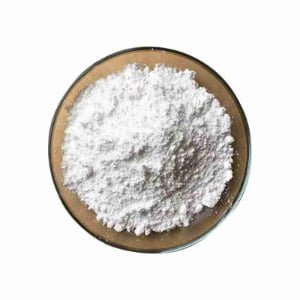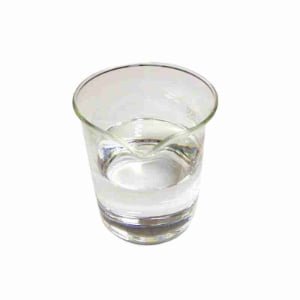
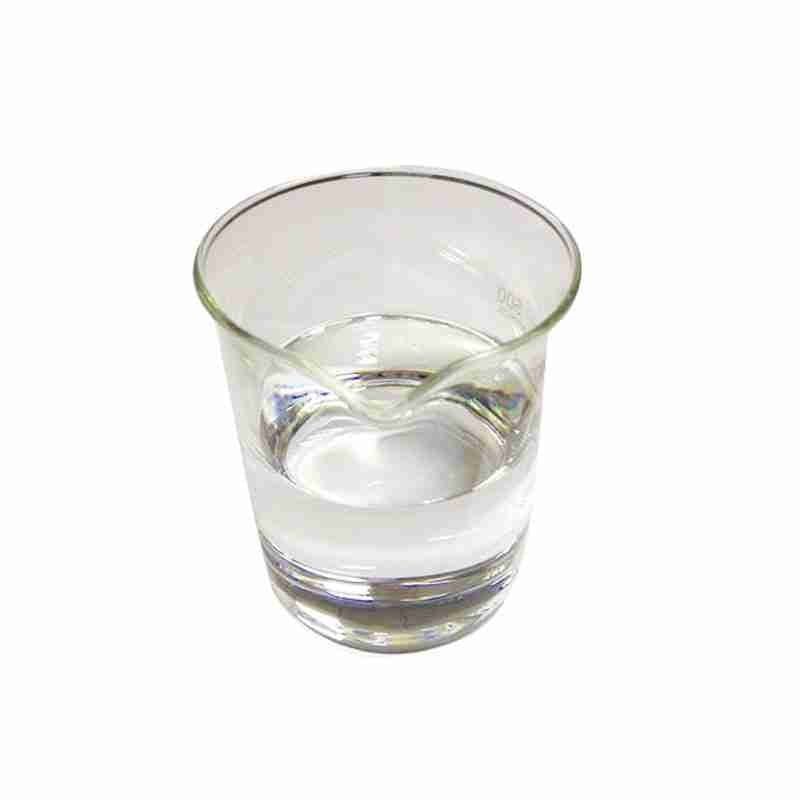
N,N-Diethyl-m-toluamide CAS#134-62-3
Fast Delivery

Quality Assured

24h Response

7-15 Day Ship

N,N-Diethyl-m-toluamide CAS#134-62-3

N,N-Diethyl-m-toluamide, commonly known as DEET, is a widely recognized synthetic compound that serves as the active ingredient in numerous insect repellent products. DEET is characterized by its efficacy in deterring and repelling a variety of insects, including mosquitoes, ticks, and flies, which are known vectors for diseases such as malaria, Lyme disease, and Zika virus. Chemically, DEET is an amide with the molecular formula C12H19NO. It was first developed in 1946 and has since become the benchmark against which other insect repellents are measured. DEET works by targeting the olfactory receptors of insects, masking the scent of humans and animals, which are typically attractive to these pests. This compound is valued for its long-lasting protection and stability under various environmental conditions. It is available in various formulations, including sprays, lotions, and creams, and can be applied topically to skin or clothing. DEET is also known for its compatibility with other active ingredients, allowing for the development of multi-purpose products. <p class="last-node">In summary, DEET is a reliable and effective insect repellent, widely used for its ability to provide durable protection against disease-carrying insects. Its chemical properties and formulation flexibility make it a staple in the field of personal insect protection.</p>

Fast Response Guaranteed
sales@didichem.com
+86-15288742231

N,N-Diethyl-m-toluamide, commonly known as DEET, is a widely recognized synthetic compound that serves as the active ingredient in numerous insect repellent products. DEET is characterized by its efficacy in deterring and repelling a variety of insects, including mosquitoes, ticks, and flies, which are known vectors for diseases such as malaria, Lyme disease, and Zika virus.

Chemically, DEET is an amide with the molecular formula C12H19NO. It was first developed in 1946 and has since become the benchmark against which other insect repellents are measured. DEET works by targeting the olfactory receptors of insects, masking the scent of humans and animals, which are typically attractive to these pests.

This compound is valued for its long-lasting protection and stability under various environmental conditions. It is available in various formulations, including sprays, lotions, and creams, and can be applied topically to skin or clothing. DEET is also known for its compatibility with other active ingredients, allowing for the development of multi-purpose products.

In summary, DEET is a reliable and effective insect repellent, widely used for its ability to provide durable protection against disease-carrying insects. Its chemical properties and formulation flexibility make it a staple in the field of personal insect protection.

Description

N,N-Diethyl-m-toluamide Chemical Properties
Melting point -45 ??C
Boiling point 111???C1?mm Hg
density 0.998?g/mL?at 20???C(lit.)
vapor density 6.7 (vs air)
vapor pressure <0.01 mm Hg ( 25 ??C)
refractive index n20/D 1.523(lit.)
Fp >230???F
storage temp. room temp
solubility DMSO (Slightly), Ethyl Acetate (Slightly), Methanol (Slightly)
pka -1.37??0.70(Predicted)
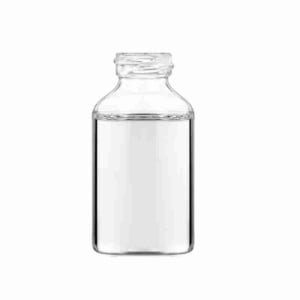
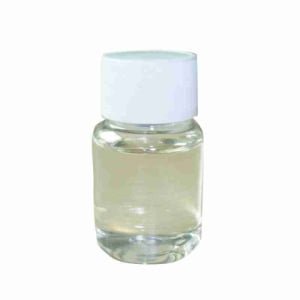
form Liquid
color Clear
Specific Gravity 0.996
Odor mild bland odor
Water Solubility NEGLIGIBLE
Merck 14,2856
BRN 2046711
Stability: Stable. Combustible. Incompatible with strong oxidizing agents, strong acids, strong bases. Hydrolyzes slowly in water.
InChIKey CXVBTGKUSLNJQZ-UHFFFAOYSA-N
CAS DataBase Reference 134-62-3(CAS DataBase Reference)
NIST Chemistry Reference Diethyltoluamide(134-62-3)
EPA Substance Registry System N,N-Diethyl-m-toluamide (134-62-3)
Safety Information
Hazard Codes Xn
Risk Statements 22-36/38-52/53
Safety Statements 61
RIDADR 2810
WGK Germany 2
RTECS XS3675000
TSCA Yes
HazardClass 6.1(b)
PackingGroup III
HS Code 29242995
Hazardous Substances Data 134-62-3(Hazardous Substances Data)
Toxicity LD50 orally in male rats (ml/kg): 2.43; in female rats: 1.78; dermally in rabbits: 3.18; LC50 by inhalation in rats (mg/l): 5.95 (U.S. EPA)

Why Choose DidiChem

Solving the pain points of high MOQ and slow delivery for labs, startups, and R&D teams.

24-Hour Response

Fast quotation and delivery date confirmation for all urgent orders.

Small Batch Ready

No excessive minimum order quantities. We serve small-batch and trial production.

Custom Synthesis

Flexible production system for customized chemical synthesis on demand.

Full After-Sales

Complete logistics tracking and dedicated after-sales support team.

Quick Inquiry

Request a Quote

Fill in your requirements and we'll respond within 24 hours.

Submitting your inquiry...

By submitting, you agree to be contacted by our team. We respect your privacy.

Direct Contact

Get in Touch Now

Phone / WhatsApp

+86-15288742231

Email

sales@didichem.com

Address

Room 1001, Bldg 1, Hisense Chuangzhi Valley, Fenghuang Road, High-tech Zone, Jinan, Shandong, China

Our Commitment

  • Quote within 24 hours
  • 📦 Small batch orders welcome
  • 🔬 Custom synthesis available
  • 🚚 7-15 day delivery
  • 📋 CoA & documentation provided
  • 🛡️ Quality guaranteed

Who We Serve

University Labs Research Institutes Startup Companies Pharma R&D Chemical Engineers Pilot Production

Related Products

You might also be interested in these products.

SODIUM ETHYL 2-SULFOLAURATE CAS#7381-01-3 Daily Chemicals

SODIUM ETHYL 2-SULFOLAURATE CAS#7381-01-3

Sodium Ethyl 2-Sulfolaurate is a surfactant with a unique combination of properties. It is an anionic compound, derived from the sulfonation of ethyl laurate, which is then neutralized with sodium hydroxide. This results in a product that is highly effective in lowering the surface tension of water, making it an excellent wetting agent and emulsifier. It is commonly used in personal care products, detergents, and industrial applications for its foaming and dispersing capabilities. As a mild and biodegradable ingredient, it is favored for its environmental and skin-friendly attributes, ensuring safety and performance in a variety of formulations.

View Details
Isopropyl myristate CAS#110-27-0 Daily Chemicals

Isopropyl myristate CAS#110-27-0

Isopropyl myristate (IPM) is an ester-based compound commonly utilized as an emollient and solvent in the cosmetic and personal care industry. Derived from myristic acid and isopropanol, IPM possesses a lightweight, non-greasy texture that allows for easy absorption and spreadability on the skin. Chemically, it is represented by the formula C18H36O2, and it is known for its ability to dissolve a wide range of lipophilic (fat-soluble) ingredients, making it an ideal carrier for fragrances, vitamins, and other active components in formulations. IPM is also valued for its emollient properties, which help to soften and smooth the skin without leaving a residue. This ester is non-comedogenic, meaning it does not clog pores, and is suitable for various skin types, including sensitive and acne-prone skin. Its stability and compatibility with other ingredients make it a versatile component in the creation of lotions, creams, makeup products, and sunscreens. <p class="last-node">In summary, isopropyl myristate is a beneficial ingredient in skincare and cosmetic products due to its solubilizing capabilities, emollience, and non-comedogenic nature, offering a smooth application and enhancing the sensory experience without compromising skin health.</p>

View Details
Decyl glucoside CAS#68515-73-1 Daily Chemicals

Decyl glucoside CAS#68515-73-1

Decyl Glucoside is an eco-friendly, non-ionic surfactant derived from renewable resources. Renowned for its mildness and biodegradability, it is ideal for creating gentle, high-performing cleaning agents in personal care and household products. Its sustainable and effective nature makes it a preferred choice for green formulations.

View Details
Sodium Isethionate CAS#1562-00-1 Daily Chemicals

Sodium Isethionate CAS#1562-00-1

Sodium 2-hydroxyethyl sulfonate (also known as sodium hydroxyethyl sulfonate) is a sodium salt of 2-hydroxyethanesulfonic acid (hydroxyethyl sulfonate), which is used as a hydrophilic head group in detergent active surfactants. Due to its strong polarity and resistance to multivalent ions, it is called hydroxyethyl sulfonate (acyloxyethanesulfonate). It is being studied as a high-yield chemical in the High Production (HPV) Chemical Challenge Program of the US Environmental Protection Agency (EPA). Solid sodium 2-hydroxyethyl sulfonate is a colorless, free flowing, non hygroscopic solid that is easily soluble in water and has good biodegradability. Due to the synthesis method, the sample usually contains trace amounts of sodium sulfite or sodium bisulfite, resulting in a pH value of about 10 in the aqueous solution, which is weakly alkaline.

View Details
Need This Product Fast?

Emergency Orders & Rush Delivery

DidiChem specializes in urgent procurement. Send us your requirements and receive a quote within 24 hours, with delivery in as fast as 7 days.