Hydrogenated Lecithin CAS #92128-87-5
Fast Delivery

Quality Assured

24h Response

7-15 Day Ship

Hydrogenated Lecithin CAS #92128-87-5

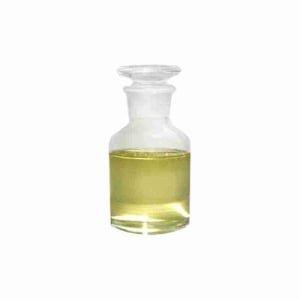
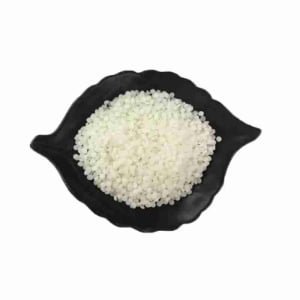
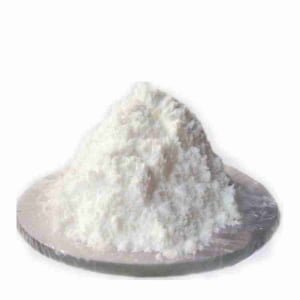
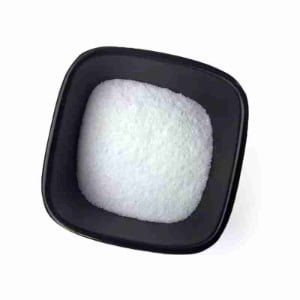
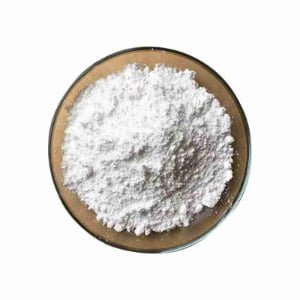
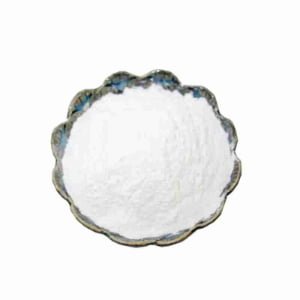
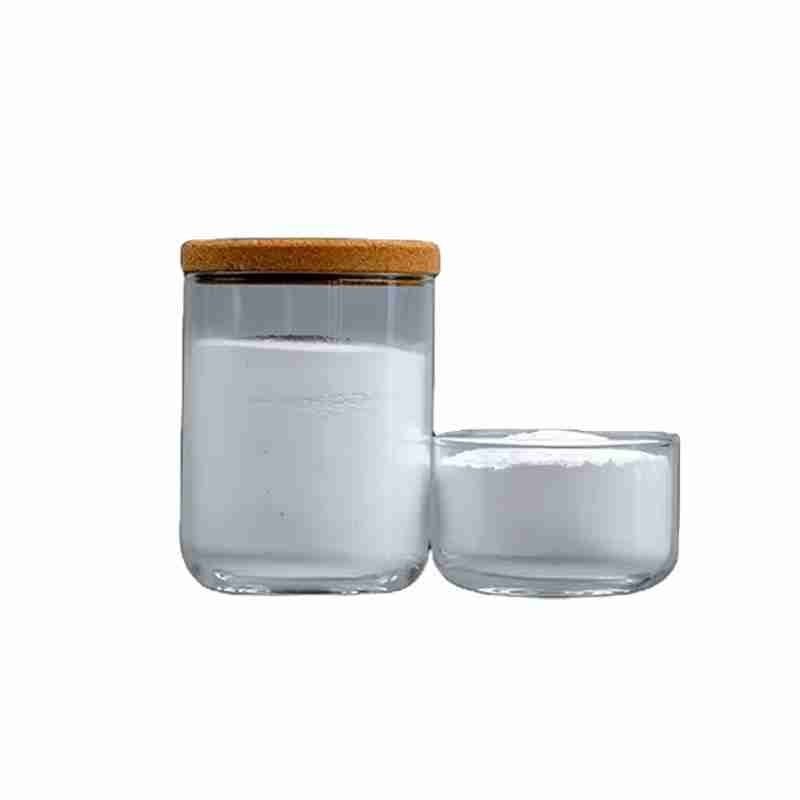
Hydrogenated lecithin is light yellow or milky white powder. Due to the use of catalysis and hydrogenation processes, the unsaturated chains of unsaturated fatty acids in the molecular structure of soybean lecithin disappear, thereby greatly improving the chemical stability, dispersibility, and emulsification of lecithin. It has decolorization and deodorization effects, which is more conducive to storage and preservation, and improves its role in medicine, high-end cosmetics, and light industry. It is especially suitable for intravenous fat emulsifiers and nutrients. It is used as a blood lipid emulsifier to prevent arteriosclerosis, and has the advantages of being easy to digest, easy to absorb, and almost not remaining in the internal organs.

Fast Response Guaranteed
sales@didichem.com
+86-15288742231

Hydrogenated lecithin is light yellow or milky white powder. Due to the use of catalysis and hydrogenation processes, the unsaturated chains of unsaturated fatty acids in the molecular structure of soybean lecithin disappear, thereby greatly improving the chemical stability, dispersibility, and emulsification of lecithin. It has decolorization and deodorization effects, which is more conducive to storage and preservation, and improves its role in medicine, high-end cosmetics, and light industry. It is especially suitable for intravenous fat emulsifiers and nutrients. It is used as a blood lipid emulsifier to prevent arteriosclerosis, and has the advantages of being easy to digest, easy to absorb, and almost not remaining in the internal organs.

Description

Hydrogenated Lecithin CAS #92128-87-5

Lecithin Hydrogenated Basic information
Product Name: Lecithin Hydrogenated
Synonyms: Lecithins, hydrogenated;HSPC-50A;HSPC-70A;HSPC-90A;HSPC-25A;1-Palmitoyl-2-stearoyl-sn-glycero-3-phosphatidylcholine;Lecithins,Hydrogenate;Lecithin Hydrogenated USP/EP/BP
CAS: 92128-87-5
MF: C42H84NO8P
MW: 0
EINECS: 295-786-7
Product Categories: Jarsoft
Mol File: Mol File
Lecithin Hydrogenated Chemical Properties
density 1076.3 at 22.68??
vapor pressure 11-19Pa at 20-25??
form Solid:particulate/powder
LogP 0.3 at 30?? and pH2.5-7.5
Surface tension 71.6mN/m at 2mg/L and 20??
Safety Information
MSDS Information
Lecithin Hydrogenated Usage And Synthesis
Uses Lecithin hydrogenated is a preservative used in cosmetics.

Why Choose DidiChem

Solving the pain points of high MOQ and slow delivery for labs, startups, and R&D teams.

24-Hour Response

Fast quotation and delivery date confirmation for all urgent orders.

Small Batch Ready

No excessive minimum order quantities. We serve small-batch and trial production.

Custom Synthesis

Flexible production system for customized chemical synthesis on demand.

Full After-Sales

Complete logistics tracking and dedicated after-sales support team.

Quick Inquiry

Request a Quote

Fill in your requirements and we'll respond within 24 hours.

Submitting your inquiry...

By submitting, you agree to be contacted by our team. We respect your privacy.

Direct Contact

Get in Touch Now

Phone / WhatsApp

+86-15288742231

Email

sales@didichem.com

Address

Room 1001, Bldg 1, Hisense Chuangzhi Valley, Fenghuang Road, High-tech Zone, Jinan, Shandong, China

Our Commitment

  • Quote within 24 hours
  • 📦 Small batch orders welcome
  • 🔬 Custom synthesis available
  • 🚚 7-15 day delivery
  • 📋 CoA & documentation provided
  • 🛡️ Quality guaranteed

Who We Serve

University Labs Research Institutes Startup Companies Pharma R&D Chemical Engineers Pilot Production

Related Products

You might also be interested in these products.

LAURIC ACID MONOETHANOLAMIDE CAS#142-78-9 Daily Chemicals

LAURIC ACID MONOETHANOLAMIDE CAS#142-78-9

Lauric Acid Monoethanolamide is a chemical compound derived from lauric acid, a saturated fatty acid found in coconut oil and palm kernel oil. It is commonly used as an emulsifier and surfactant in various industrial applications, including the production of personal care products, detergents, and lubricants. This compound enhances the stability and texture of formulations, making it an essential ingredient for creating smooth, homogenous mixtures. Its properties contribute to improved product performance and consumer satisfaction.

View Details
Coconut oil monoethanolamide CAS#68140-00-1 Daily Chemicals

Coconut oil monoethanolamide CAS#68140-00-1

Coconut Oil Monoethanolamide is a high-performance emulsifier derived from natural coconut oil. It is a key component in personal care and cosmetic formulations, providing excellent emulsifying properties and improving product texture. With its natural origin and superior performance, it is the preferred choice for creating stable and high-quality products.

View Details
Octyl 4-methoxycinnamate CAS#5466-77-3 Daily Chemicals

Octyl 4-methoxycinnamate CAS#5466-77-3

Octyl 4-methoxycinnamate, scientifically known as 2-Ethylhexyl 4-Methoxycinnamate, is a highly effective organic UV filter commonly used in the formulation of sunscreens and cosmetic products. This compound is renowned for its ability to absorb ultraviolet B (UVB) radiation, providing a reliable defense against the sun's harmful effects on the skin. Characterized by its chemical formula C19H28O3, Octyl 4-methoxycinnamate is a liquid ester that is readily soluble in organic solvents. It is valued for its photostability, which means it maintains its protective properties even after prolonged exposure to sunlight. This feature makes it an ideal ingredient for products designed to offer long-lasting sun protection. In addition to its UVB absorption capabilities, Octyl 4-methoxycinnamate is also appreciated for its compatibility with other UV filters, allowing for the creation of broad-spectrum sunscreens. It contributes to the development of formulations that are non-greasy and cosmetically elegant, suitable for a variety of skin types. <p class="last-node">As a key component in sun care products, Octyl 4-methoxycinnamate supports the skin's health by preventing sunburn, reducing the risk of skin cancer, and delaying the signs of photoaging. Its safety profile and efficacy make it a preferred choice in the personal care and dermatological industries for sun protection solutions.</p>

View Details
Polyglutamic Acid CAS# 25513-46-6 Daily Chemicals

Polyglutamic Acid CAS# 25513-46-6

Polyglutamic acid (y-PGA), also known as natto gum, is a high molecular peptide polymer synthesized from several glutamic acid monomers through microbial fermentation. It is rich in glutamic acid, glucose, protein and minerals. , vitamins and other biologically active substances. Polyglutamic acid (??-PGA) is a sticky substance that was first discovered in ??Natto??. It is currently widely used in agricultural production and is called a new biostimulant. It is fully water-soluble, biodegradable, edible, and non-toxic. It is a biopolymer produced by microbial fermentation.

View Details
Need This Product Fast?

Emergency Orders & Rush Delivery

DidiChem specializes in urgent procurement. Send us your requirements and receive a quote within 24 hours, with delivery in as fast as 7 days.