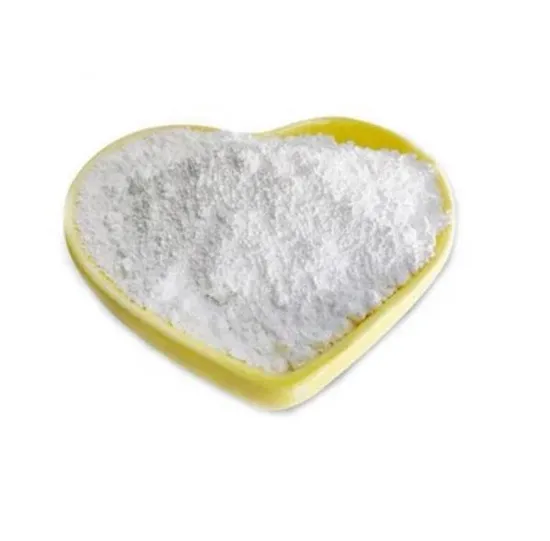
Get reliable synthesis material intermediates with precise technical data to streamline your R&D and procurement process. Our 9003-11-6 white powder meets industrial-grade standards, ensuring consistent performance for small-batch to large-scale applications.
- Stable storage at 2-8°C maintains integrity, while a 5.0-7.5 pH range supports compatibility in diverse formulations
- Choose from flexible 10kg/25kg/100kg packaging to optimize costs for your specific needs
- Backed by a 5000 Tons/Year production capacity, ensuring steady supply for your projects
Description
For industrial manufacturing and laboratory research purposes only.
Product Specifications
| Parameter | Value |
|---|---|
| CAS Number | 9003-11-6 |
| EINECS | 618-355-0 |
| Type | Synthesis Material Intermediates |
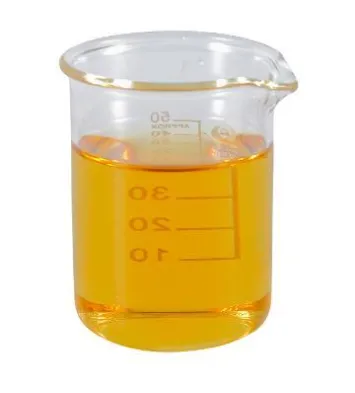
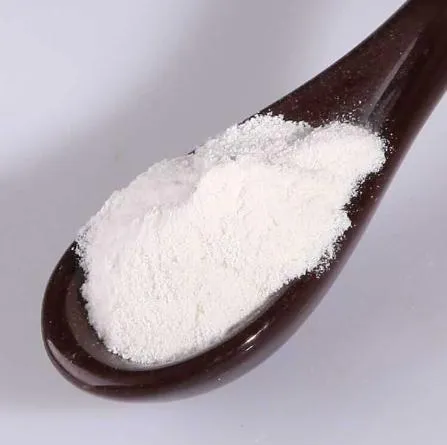
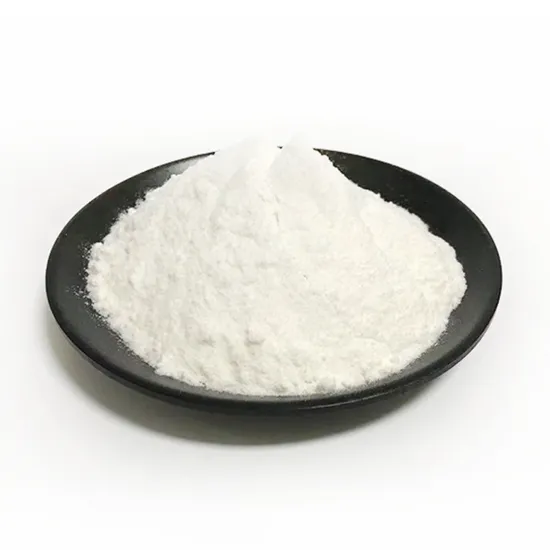
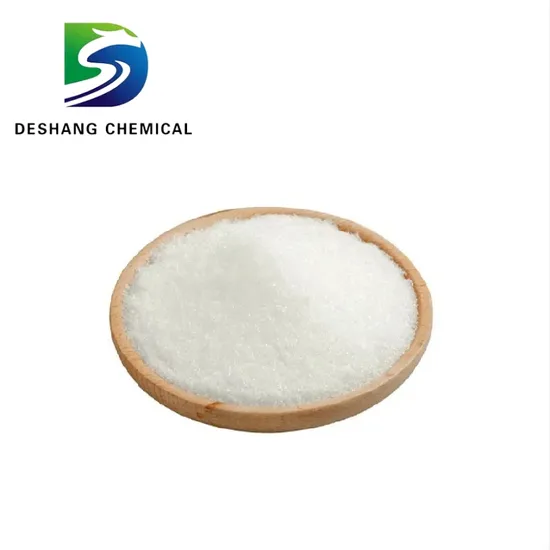
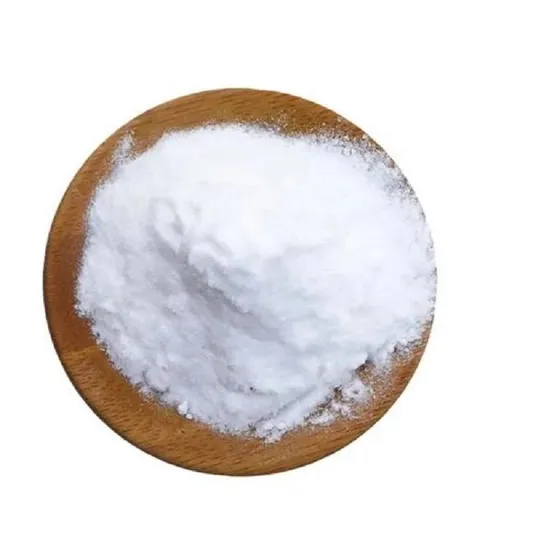
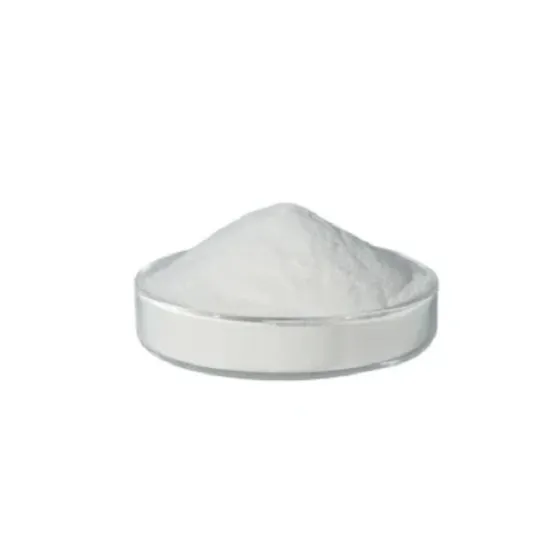
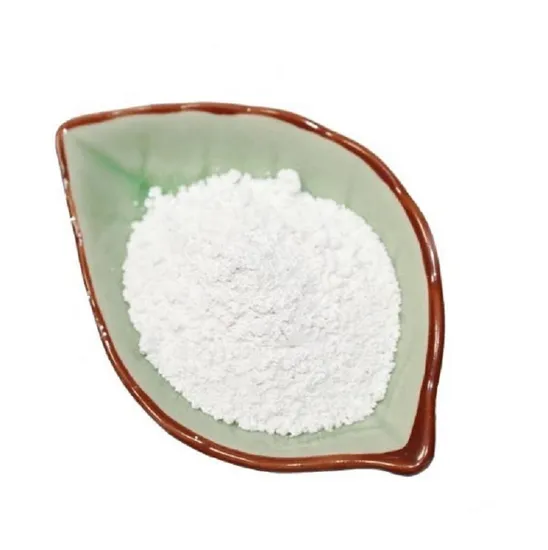
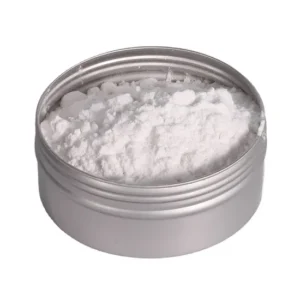
| Appearance | White Powder |
| Quality | Industrial |
| Melting Point | 57-61°C |
| Boiling Point | >200°C |
| Storage Conditions | 2-8°C |
| pH Value | 5.0-7.5 |
| Transport Package | Land, Sea and Air |
| Specification | 10kg/25kg/100kg |
| Origin | China |
| Production Capacity | 5000 Tons/Year |
Overcoming Purity and Consistency Challenges with High Purity Polyethylene-Polypropylene Glycol CAS 9003-11-6
For over a decade in chemical supply, we’ve witnessed how inconsistent raw materials disrupt production—unstable melting points causing batch failures in polymerization, impurity-related副反应 increasing R&D costs, and delayed deliveries derailing project timelines. These issues aren’t just inconvenient; they directly impact your bottom line and research reproducibility.
A Stable Solution for Industrial and Research Needs
Our High Purity Polyethylene-Polypropylene Glycol addresses these critical pain points through rigorous manufacturing control. As a key synthesis material intermediate, it integrates seamlessly into industrial processes and laboratory research, supported by our global network serving over 10,000 industrial customers and research institutions across 50+ countries.
Key Applications in Industrial Synthesis
This White Powder Polyethylene-Polypropylene Glycol primarily functions as a synthesis material intermediate in polymer manufacturing, coating formulations, and specialty chemical production. Its consistent physical properties make it ideal for controlled reactions requiring precise temperature parameters, ensuring reliable results in both pilot-scale experiments and large-scale industrial production.
Why Technical Specifications Matter in Your Processes
The 57-61°C melting point range is critical for process optimization—deviations of just 2°C can alter reaction kinetics and product yield. Our strict pH control (5.0-7.5) prevents catalyst deactivation in sensitive syntheses, while the 2-8°C storage requirement ensures long-term stability of this temperature-sensitive intermediate. Each batch undergoes comprehensive testing to maintain these specifications, eliminating the variability that plagues lower-quality alternatives.
The Value of Reliable Chemical Sourcing
Choosing compliant, high-purity materials reduces production waste by minimizing off-spec batches and rework. Unlike unreliable suppliers with inconsistent quality, our ISO 9001-certified production ensures every kilogram of Polyethylene-Polypropylene Glycol meets the same exacting standards. This consistency translates to predictable costs, on-time deliveries, and the ability to scale production without compromising quality—ultimately delivering better ROI for your operations.
Our Quality Commitment: Beyond Compliance
Every batch of High Purity Polyethylene-Polypropylene Glycol undergoes HPLC and NMR analysis to verify chemical structure and purity. We provide a Certificate of Analysis with each shipment, detailing test results for key parameters like melting point, pH, and appearance. With a 5000 Tons/Year production capacity, we maintain stable inventory to prevent supply disruptions, while our technical team offers personalized support for storage, handling, and application optimization—no generic advice, just data-driven solutions.
Certificate of Analysis & Documentation
Each delivery includes a batch-specific Certificate of Analysis (COA) and MSDS Technical Support documentation. For critical applications, we can provide detailed chromatographic and spectroscopic data upon request, ensuring full traceability from production to your facility.
Storage & Handling
- Store in a cool, dry, well-ventilated area, sealed and away from direct sunlight.
- Keep away from incompatible materials, food and feed sources.
- Handle with appropriate personal protective equipment (gloves, goggles, lab coat).
- Follow good industrial hygiene practices. Avoid inhalation and skin contact.
- Refer to MSDS for detailed storage and safety instructions.
Streamlined Order Process for Your Convenience
To Buy High Purity Polyethylene-Polypropylene Glycol with MSDS, simply contact our technical sales team with your required quantity and specifications. We offer free sample testing for qualification, followed by flexible bulk ordering options (10kg/25kg/100kg) and global shipping via land, sea, or air. All orders include comprehensive documentation to facilitate your quality control processes.
Frequently Asked Questions
Q: What is the shelf life of this product under proper storage conditions?
A: When stored at 2-8°C in sealed containers, the product maintains stability for 24 months from the date of manufacture.
Q: Is this product suitable for direct use in food, pharmaceutical, or cosmetic applications?
A: No. This product is intended FOR INDUSTRIAL AND LABORATORY RESEARCH USE ONLY. It is not certified for human consumption or medical applications.
Q: What documentation is provided with each shipment?
A: Every order includes a Certificate of Analysis (COA) with batch-specific test results and a Material Safety Data Sheet (MSDS).
Q: Do you offer custom packaging or specialized purity grades?
A: We provide standard packaging in 10kg/25kg/100kg containers. For custom requirements or higher purity grades, please contact our technical team to discuss feasibility.
Q: How is the product’s purity verified?
A: Purity is confirmed through HPLC analysis and melting point determination, with results documented in the batch COA. Additional testing methods (NMR, IR) are available upon request.
Related products
-
2′-Fucosyllactose 99% Pure Powder for Chemical Research, CAS 41263-94-9
Read more -
Carbomer Carbopol 934 CAS 54182-57-9 Fast Delivery for R&D Labs Technical Support
Read more -
Succinic Acid CAS 110-15-6 White Crystalline Powder for Synthesis Material Intermediates
Read more -
Sodium Cocoyl Isethionate CAS 61789-32-0 White Powder for Soap Facial Cleanser
Read more