
For industrial manufacturing and laboratory research purposes only.
Product Specifications
| Parameter | Value |
|---|---|
| CAS Number | 121-97-1 |
| EINECS | 204-512-7 |
| Type | Synthesis Material Intermediates |
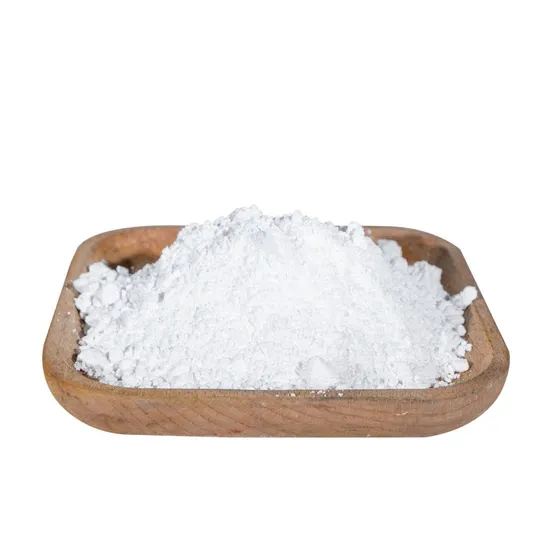
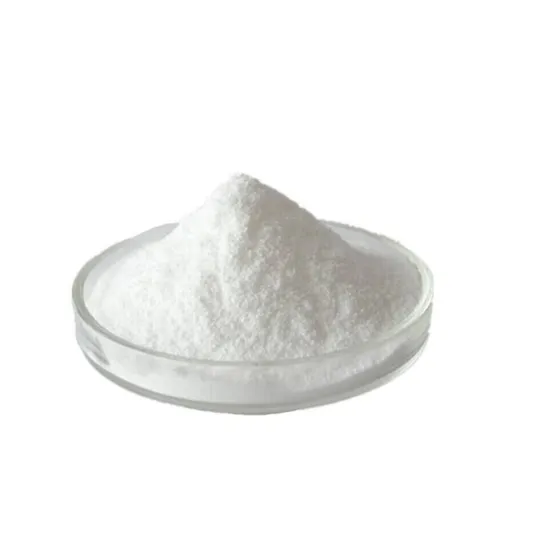
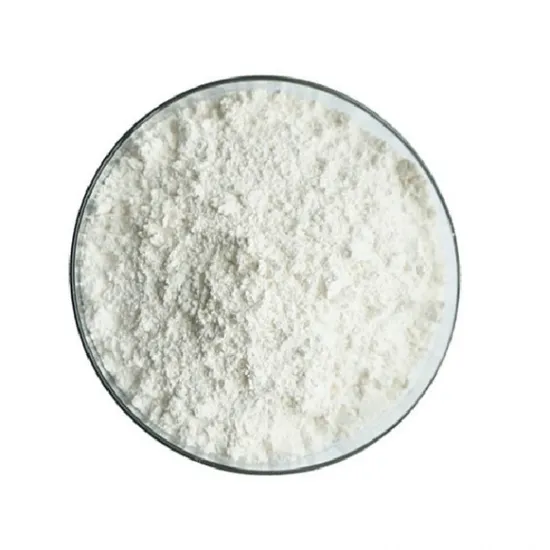
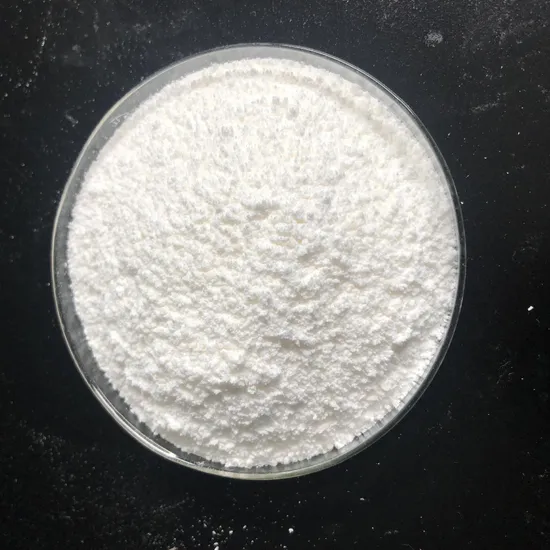
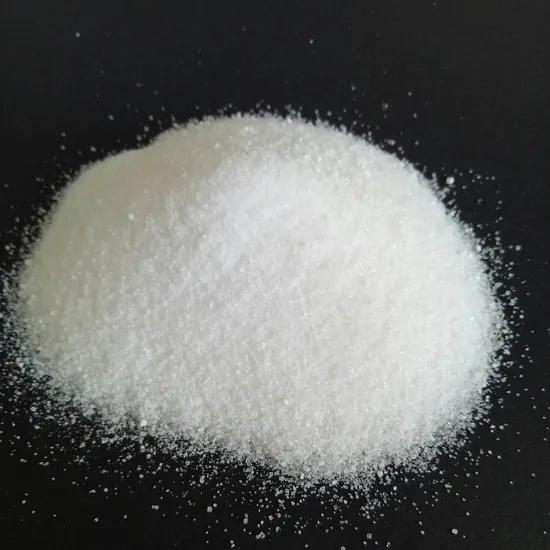
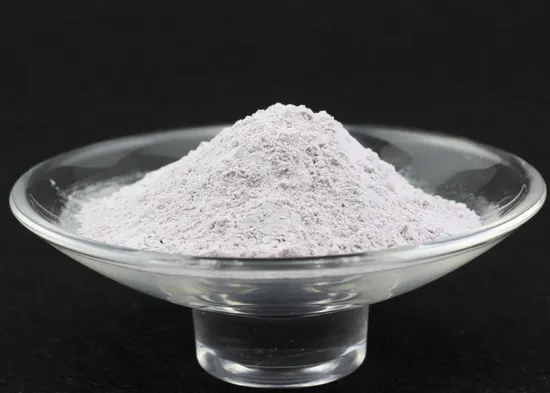
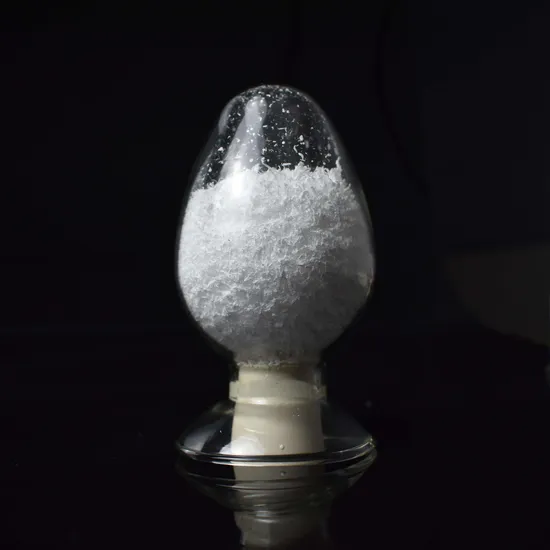
| Appearance | White Powder |
| Quality Grade | Industrial |
| Packaging Specification | 1/25/100kgs per bag |
| Origin | Shandong China |
| Production Capacity | 500,000 Pieces Per Year |
Overcoming Research Disruptions with High Purity Methoxypropiophenone CAS 121-97-1
Research teams worldwide face critical challenges with inconsistent reagent quality—unexpected impurities causing failed reactions, batch-to-batch variations invalidating months of data, and unreliable suppliers delaying project timelines. In our 10+ years supporting R&D laboratories, we’ve witnessed how substandard Methoxypropiophenone can derail synthesis workflows and compromise experimental reproducibility.
A Stable Supply Chain for Reliable Research Outcomes
Our High Purity Methoxypropiophenone CAS 121-97-1 addresses these pain points through vertically integrated production in Shandong’s specialized chemical manufacturing hub, ensuring consistent quality across every batch. As a trusted partner to over 10,000 industrial and research clients, we deliver the stability needed for both small-scale laboratory trials and scaled-up synthesis processes.
Key Applications in Industrial Synthesis
This versatile Organic Reagent serves as a critical intermediate in pharmaceutical synthesis, fine chemical production, and material science research. Its unique properties make it invaluable for creating specialized compounds in controlled laboratory environments, supporting innovation in drug discovery and advanced material development.
Why Purity and Consistency Matter in Laboratory Reagents
The white powder appearance of our Methoxypropiophenone isn’t just cosmetic—it indicates rigorous purification that minimizes particulate contamination, a common source of reaction interference. Our standardized packaging (1/25/100kgs) ensures material integrity during storage and handling, while industrial-grade quality control protocols prevent the introduction of variables that could compromise research results. Consistent particle size distribution further promotes uniform dissolution and reaction kinetics, critical for reproducible experimental outcomes.
Risk Mitigation Through Quality Assurance
Choosing our High Purity Organic Reagent for Labs reduces the hidden costs of failed experiments and material wastage. Unlike low-quality alternatives that may contain unreported impurities, our product adheres to strict industrial standards, supporting compliance with research protocols and regulatory requirements. With a production capacity of 500,000 pieces annually, we guarantee supply continuity even for long-term research projects, eliminating the risks of sudden shortages or price fluctuations.
Our Commitment to Reliability
Every batch of Methoxypropiophenone CAS 121-97-1 undergoes comprehensive testing before release, including identity verification via spectroscopic analysis and purity assessment through chromatographic methods. We provide detailed Certificates of Analysis with each shipment, and our dedicated technical support team is available to address specific application questions. Our ISO-compliant manufacturing processes ensure traceability from raw material sourcing to final product delivery, with full documentation available for audit purposes.
Certificate of Analysis & Documentation
Each order includes a batch-specific Certificate of Analysis (COA) detailing key quality parameters, along with a current Material Safety Data Sheet (MSDS) for safe handling. For research requiring additional validation, specific batch test records can be requested using your order reference number, and extended technical documentation is available upon request for regulatory submissions.
Storage & Handling
- Store in a cool, dry, well-ventilated area, sealed and away from direct sunlight.
- Keep away from incompatible materials, food and feed sources.
- Handle with appropriate personal protective equipment (gloves, goggles, lab coat).
- Follow good industrial hygiene practices. Avoid inhalation and skin contact.
- Refer to MSDS for detailed storage and safety instructions.
Streamlined Order Process for Research Needs
Initiate your order by submitting a technical inquiry specifying your required quantity and purity requirements. We offer flexible sampling options for protocol validation, followed by secure payment processing and worldwide logistics coordination. All shipments include the documentation needed for laboratory compliance, with dedicated customer service tracking your order from confirmation to delivery.
Frequently Asked Questions
Q: What is the shelf life of Methoxypropiophenone CAS 121-97-1?
A: When stored properly in unopened original packaging, the product maintains stability for 24 months from the manufacturing date indicated on the COA.
Q: Can this product be used for pharmaceutical or food applications?
A: No. This material is supplied FOR INDUSTRIAL AND LABORATORY RESEARCH USE ONLY and is not suitable for human consumption, therapeutic, or household applications.
Q: What documentation is provided with each shipment?
A: Every order includes a batch-specific Certificate of Analysis (COA) and Material Safety Data Sheet (MSDS) in English.
Q: Do you offer custom packaging options?
A: Yes, we can accommodate specialized packaging requirements for bulk orders—contact our sales team with your specific needs.
Q: How is product purity verified?
A: Purity is assessed using high-performance liquid chromatography (HPLC) and gas chromatography (GC) methods, with results reported on the batch COA.