For industrial manufacturing and laboratory research purposes only.
Product Specifications
| Parameter | Value |
|---|---|
| CAS Number | 70-18-8 |
| EINECS | 200-725-4 |
| Type | Synthesis Material Intermediates |
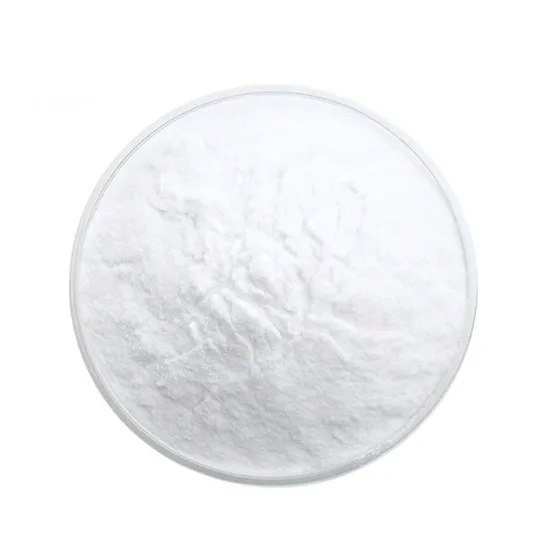
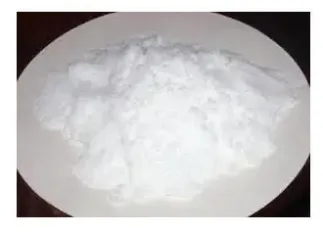
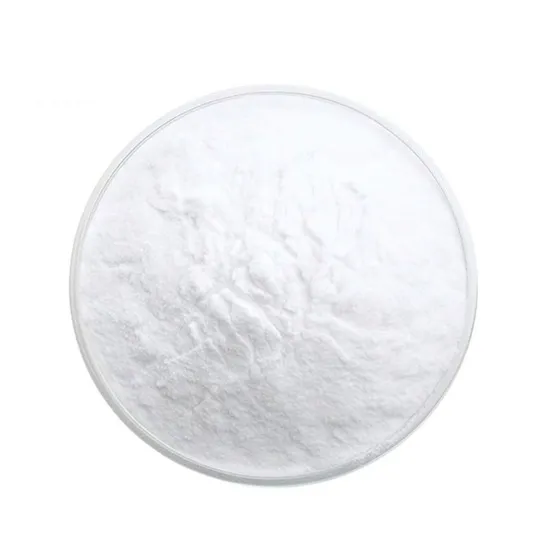
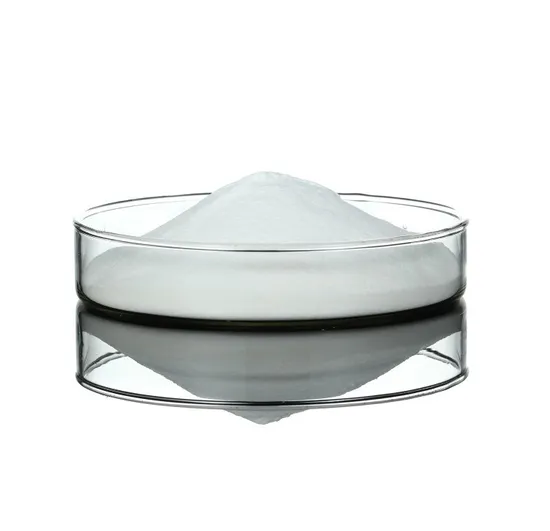
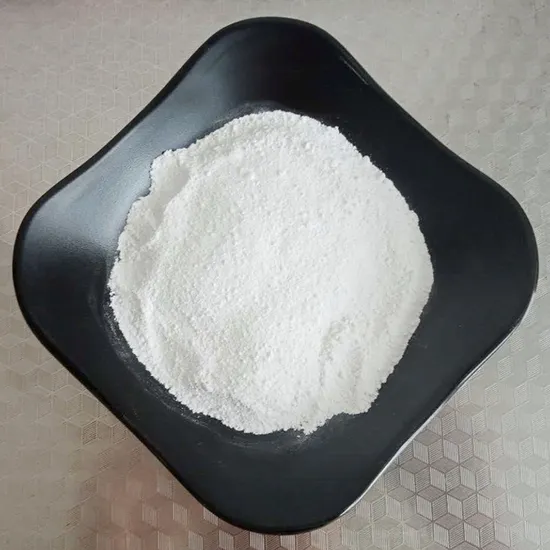
| Appearance | Powder |
| Quality | Industrial |
| Colour | White |
| Transport Package | Land, Sea and Air |
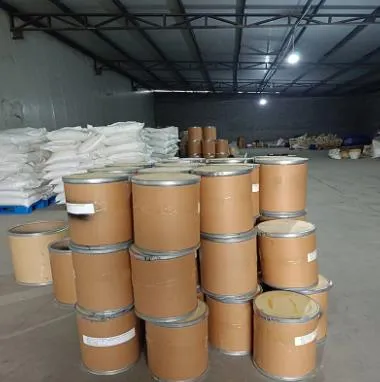
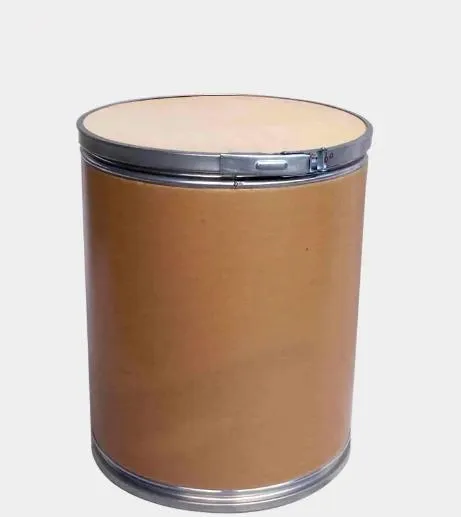
| Specification | 10kg/25kg/100kg |
| Trademark | DiDiChem |
| Origin | China |
| Production Capacity | 5000 Tons/Year |
Overcoming Common Challenges with Glutathione CAS 70-18-8 in Research Labs
After a decade of serving R&D laboratories worldwide, we've witnessed how inconsistent Glutathione powder quality disrupts experiments—impure samples causing unexpected副反应, batch variations making results irreproducible, and delayed shipments derailing project timelines. These issues aren't just inconvenient; they waste valuable research hours and resources.
A Stable Supply Solution for Glutathione Research
Our Glutathione CAS 70-18-8 addresses these pain points through integrated upstream factory resources, ensuring consistent quality across 5000 tons annual production capacity. As a platform connecting 10,000+ chemicals with global researchers, we understand that reliable access to technical data and stable supply directly impacts research efficiency.
Key Applications in Industrial and Laboratory Settings
Glutathione CAS 70-18-8 serves as a critical synthesis material intermediate in pharmaceutical R&D, biochemical research, and material science applications. Its role in redox reaction studies and antioxidant mechanism research makes it indispensable for laboratories focusing on cellular biochemistry and industrial catalyst development. All applications strictly adhere to industrial and laboratory use guidelines.
Why Purity and Consistency Matter in Glutathione Specifications
The white glutathione powder's industrial-grade quality ensures minimal impurity interference in sensitive experiments. Consistent particle size distribution (critical for dissolution studies) and strict color standards (white appearance indicating low oxidation levels) directly affect experimental reproducibility. Our 10kg/25kg/100kg packaging options balance research-scale flexibility with industrial production needs, reducing material waste while maintaining freshness through proper sealing.
Risk Reduction Through Reliable Glutathione Sourcing
Choosing substandard Glutathione risks实验失败 and project delays, while our product delivers long-term value through batch-to-batch consistency. With ISO 9001-compliant production processes and strict quality control protocols, our Glutathione meets global industrial standards, supporting your research with materials you can trust for consistent results and seamless scaling from lab to pilot production.
Our Quality Assurance Commitment for Glutathione
Every batch of Glutathione undergoes comprehensive testing including HPLC purity analysis and moisture content determination. We provide detailed COA documents with each shipment, and maintain complete production records for five years. Our dedicated technical support team offers guidance on proper handling and storage, ensuring optimal product performance. With 5000 tons annual capacity, we guarantee stable supply even for long-term research projects.
Certificate of Analysis & Documentation
Each Glutathione shipment includes a batch-specific Certificate of Analysis and MSDS safety documentation. Detailed technical data, including impurity profiles and storage stability test results, can be requested by referencing your order number. Complete analytical reports with HPLC chromatograms are available upon request to support your quality control processes.
Storage & Handling
- Store in a cool, dry, well-ventilated area, sealed and away from direct sunlight.
- Keep away from incompatible materials, food and feed sources.
- Handle with appropriate personal protective equipment (gloves, goggles, lab coat).
- Follow good industrial hygiene practices. Avoid inhalation and skin contact.
- Refer to MSDS for detailed storage and safety instructions.
Streamlined Order Process for Your Research Needs
Begin by consulting our technical team for Glutathione specifications and MSDS. Request a free sample for evaluation, then confirm your order with flexible packaging options. We arrange secure logistics via land, sea, or air, and provide tracking information for full transparency. All technical documentation is delivered with your shipment to facilitate immediate use in your research.
Frequently Asked Questions
Q: What is the shelf life of your Glutathione powder?
A: When stored properly in sealed containers under recommended conditions, our Glutathione maintains stability for 24 months from the production date.
Q: Can this product be used for pharmaceutical or food applications?
A: No, this product is strictly for industrial and laboratory research use only, not for direct human consumption or therapeutic applications.
Q: What documentation is provided with each shipment?
A: Each order includes a Certificate of Analysis (COA) and Material Safety Data Sheet (MSDS) specific to the batch shipped.
Q: Do you offer custom packaging options?
A: Standard packaging is 10kg/25kg/100kg. For specialized requirements, please contact our sales team to discuss custom solutions based on your research needs.
Q: How is the purity of your Glutathione determined?
A: Purity is analyzed using HPLC techniques, with results provided in the batch-specific COA document included with your shipment.