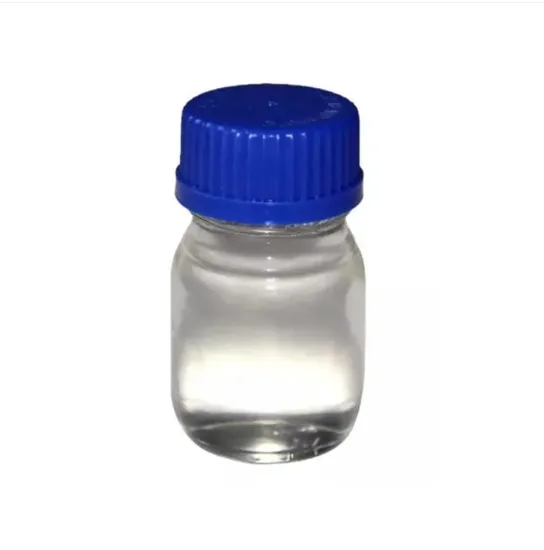
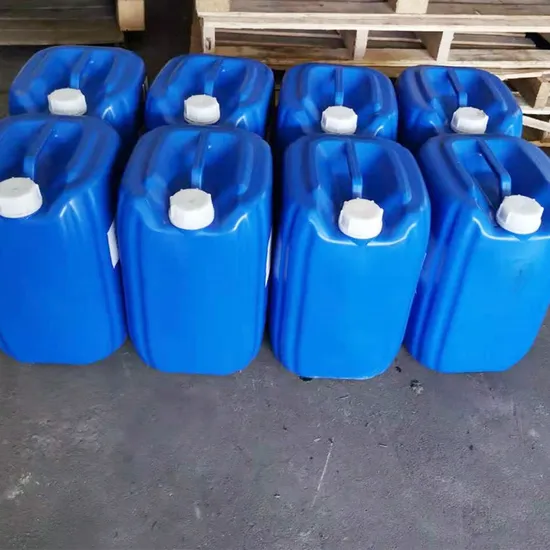
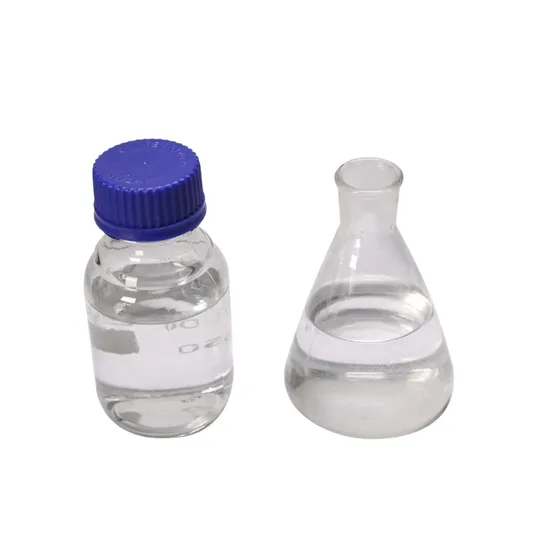
Boost adhesive production efficiency with our Advanced UV Curing Monomer, delivering fast curing speed to reduce process time and enhance throughput for your manufacturing needs. As a trusted chemical procurement platform, we ensure you get reliable technical data and high-quality raw materials—no more searching for elusive specifications or compromising on supplier credibility.
- Boasts a boiling point of 361.58°C and density of 1.03 g/ml at 25°C, ideal for formulating superior adhesives with consistent performance
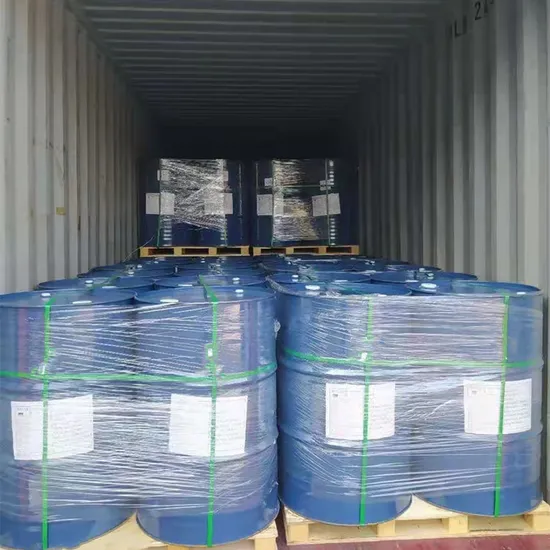
- Available in 10kg/25kg/100kg packaging options to suit both small-batch R&D and large-scale production requirements
- Backed by our one-stop service from MSDS query to after-sales technical support, ensuring a seamless procurement experience
Description
For industrial manufacturing and laboratory research purposes only.
Product Specifications
| Parameter | Value |
|---|---|
| Model NO. | 42978-66-5 |
| EINECS | 256-032-2 |
| Type | Synthesis Material Intermediates |
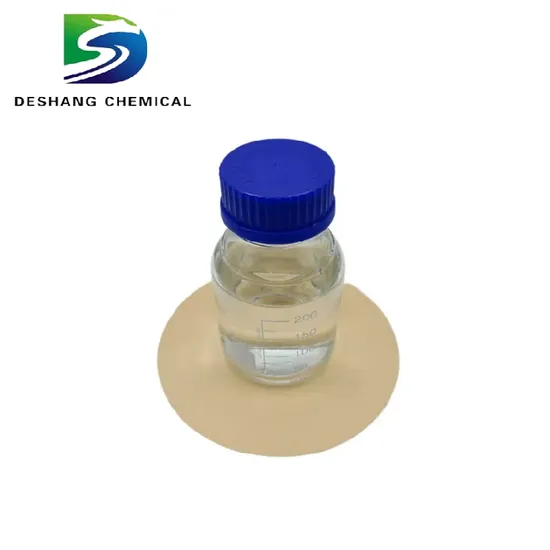
| Appearance | Liquid |
| Quality | Industrial |
| Colour | White |
| Boiling Point | 361.58°C |
| Density | 1.03 G/Ml at 25°C |
| Refractive Index | N20/D1.45 |
| Flash Point | >230°F |
| Transport Package | Land, Sea and Air |
| Specification | 10kg/25kg/100kg |
| Trademark | Deshang |
| Origin | China |
| Production Capacity | 50000kg/Mouth |
Overcoming Adhesive Formulation Challenges with UV Curing Monomer 42978-66-5
For over a decade in the chemical supply industry, we’ve witnessed countless R&D labs and manufacturing facilities struggle with adhesive formulations failing to meet thermal stability requirements. Batch inconsistencies in UV curing monomers often lead to unpredictable bonding strength, while delayed deliveries of critical intermediates disrupt production timelines—costing businesses valuable time and resources.
A Stable Foundation for Superior Adhesive Solutions
Our Advanced UV Curing Monomer addresses these challenges head-on, providing a reliable building block for high-performance adhesives. With a consistent boiling point of 361.58°C, this UV curing monomer ensures thermal stability in demanding industrial applications, supported by our integrated supply chain that connects 10,000+ chemicals with global customers through one-stop procurement solutions.
Industrial Applications of UV Curing Monomer
This liquid adhesive monomer serves as a key intermediate in formulating UV-curable adhesives for electronics manufacturing, automotive component assembly, and optical bonding applications. Its unique chemical properties make it suitable for precision coating processes and composite material production, where consistent curing behavior and thermal resistance are paramount.
Key Specifications Driving Performance
The 361.58°C boiling point of this UV curing monomer ensures minimal volatility during curing, reducing surface defects in thin-film applications. With a density of 1.03 g/ml at 25°C, it offers precise formulation control, while the refractive index (N20/D1.45) contributes to optical clarity in transparent adhesive systems. The flash point (>230°F) enhances operational safety during handling and processing, meeting industrial safety standards for flammable materials.
Value Beyond Specifications: Reliability and Consistency
Choosing our UV Curing Monomer means investing in batch-to-batch consistency that eliminates costly rework and material waste. Unlike lower-quality alternatives prone to purity fluctuations, our industrial-grade product reduces副反应 risks in polymerization processes, ensuring your adhesive formulations perform as designed. With a production capacity of 50,000kg per month, we guarantee stable supply even for large-scale manufacturing requirements.
Our Commitment to Quality Assurance
Every batch of our UV Curing Monomer undergoes rigorous testing through HPLC and GC analysis to verify key parameters. We provide comprehensive COA documents with each shipment, detailing density, refractive index, and purity data. Our quality management system adheres to ISO 9001 standards, and we offer full technical support to address formulation challenges—from initial sample testing to full-scale production implementation.
Certificate of Analysis & Documentation
Each delivery includes a batch-specific Certificate of Analysis and MSDS, providing detailed safety and handling information. For critical applications, we can arrange additional third-party testing upon request, with all原始检测数据 available for review through our secure customer portal.
Storage & Handling
- Store in a cool, dry, well-ventilated area, sealed and away from direct sunlight.
- Keep away from incompatible materials, food and feed sources.
- Handle with appropriate personal protective equipment (gloves, goggles, lab coat).
- Follow good industrial hygiene practices. Avoid inhalation and skin contact.
- Refer to MSDS for detailed storage and safety instructions.
Streamlined Procurement Process
To ensure compatibility with your specific application, we recommend starting with a 10kg sample order for testing. Our technical team can assist with formulation guidance, and once specifications are confirmed, we offer flexible bulk packaging options (25kg/100kg) with global shipping via land, sea, or air. Simply contact our sales team with your requirements, and we’ll provide a detailed quotation within 24 hours.
Frequently Asked Questions
Q: What is the shelf life of this UV Curing Monomer?
A: When stored properly in sealed containers away from direct sunlight and heat sources, the product maintains stability for 12 months from the date of manufacture.
Q: Can this monomer be used in food contact applications?
A: No, this product is for industrial and laboratory research use only and is not approved for applications involving direct contact with food or pharmaceuticals.
Q: What documentation is provided with each shipment?
A: Each order includes a Certificate of Analysis (COA), Material Safety Data Sheet (MSDS), and shipping documents with batch traceability information.
Q: Do you offer custom packaging options?
A: Yes, we can accommodate custom packaging requests for large-volume orders. Contact our sales team to discuss specific requirements.
Q: How is the product’s purity determined?
A: Purity is assessed through a combination of HPLC and GC analyses, with results provided in the batch-specific COA. Typical purity levels meet industrial grade specifications for synthesis intermediates.