

For industrial manufacturing and laboratory research purposes only.
Product Specifications
| Parameter | Value |
|---|---|
| CAS Number | 110-64-5 |
| EINECS | 203-787-0 |
| Type | Agrochemical Intermediates |
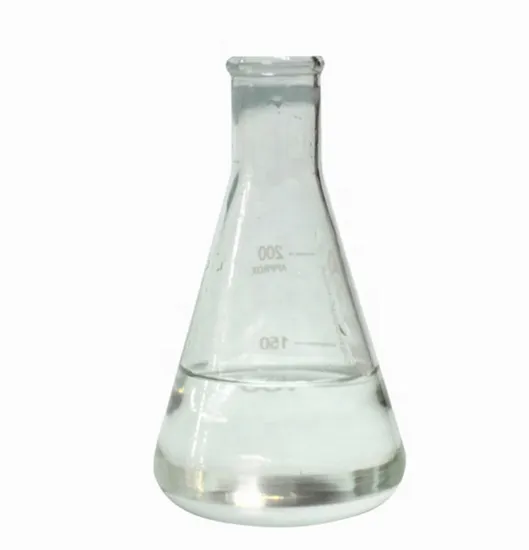
| Appearance | Liquid |
| Quality | Industrial |
| Colour | Transparent |
| Melting Point | 4-10°C |
| Boiling Point | 235°C |
| Density | 1.07 G/Ml at 25°C |
| Refractive Index | N20/D: 1.479 |
| Flash Point | >230°F |
| Storage | 2-8°C |
| Acidity | 14.17 ± 0.10 |
| Transport Package | Land, Sea and Air |
| Specification | 1/25/100kgs per bag |
| Trademark | DiDiChem |
| Origin | Shandong China |
| Production Capacity | 50000kg/Month |
Overcoming Agrochemical Production Challenges with 2-Butene-1,4-Diol (CAS 110-64-5)
After a decade in chemical manufacturing, we've witnessed how inconsistent purity of 2-Butene-1,4-Diol can derail synthesis processes—creating unexpected side reactions that waste batches and delay production timelines. Research labs repeatedly struggle with sourcing small quantities of high-quality liquid intermediates without paying exorbitant premiums, while industrial buyers face the double challenge of verifying supplier qualifications and ensuring stable supply chains.
A Stable and Reliable Agrochemical Intermediate Supply Solution
Our 2-Butene-1,4-Diol liquid intermediate directly addresses these pain points by offering consistent 99% purity and reliable batch-to-batch quality. As a Shandong-based chemical supplier with integrated upstream factory resources, we provide global customers with a seamless procurement experience from technical document verification to on-time delivery, ensuring your agrochemical synthesis projects proceed without unnecessary interruptions.
Typical Industrial Applications
This Agrochemical Intermediate CAS 110-64-5 serves as a critical building block in the production of various agricultural chemicals, including herbicides and plant growth regulators. Its unique chemical properties make it suitable for organic synthesis processes requiring precise hydroxyl group reactivity, particularly in the creation of fine chemical intermediates for crop protection products.
Why Key Specifications Matter in Agrochemical Intermediates
The 99% purity level of our 2-Butene-1,4-Diol minimizes impurity interference during synthesis, reducing the need for additional purification steps and lowering production costs. Its controlled acidity (14.17 ± 0.10) ensures consistent reaction conditions, while the precise refractive index (N20/D: 1.479) serves as an immediate quality verification parameter upon receipt. The transparent liquid appearance provides visual confirmation of product integrity, with any deviation signaling potential quality concerns before processing.
Ensuring Production Efficiency with Quality Chemicals
Using our high-purity 2-Butene-1,4-Diol liquid intermediate translates directly to fewer production failures and higher yield consistency, eliminating the hidden costs of rework and material waste associated with lower-grade alternatives. Our compliance with industrial quality standards ensures compatibility with strict manufacturing protocols, while our 50,000kg monthly production capacity guarantees long-term supply stability even for scaled-up operations.
Our Quality Assurance Commitment
Every batch of our 2-Butene-1,4-Diol undergoes comprehensive testing including density measurement (1.07 g/ml at 25°C) and melting point verification (4-10°C) to ensure compliance with stated specifications. We maintain full production records for traceability, and each delivery includes a detailed Certificate of Analysis documenting all critical parameters. Our storage and handling procedures strictly adhere to the 2-8°C requirement to preserve product stability from manufacturing to delivery.
Certificate of Analysis & Documentation
Each shipment of 2-Butene-1,4-Diol includes a batch-specific Certificate of Analysis and Material Safety Data Sheet (MSDS) containing comprehensive safety and handling information. Detailed technical parameters beyond standard specifications can be provided upon request to support your quality control processes and regulatory compliance requirements.
Storage & Handling
- Store in a cool, dry, well-ventilated area, sealed and away from direct sunlight.
- Keep away from incompatible materials, food and feed sources.
- Handle with appropriate personal protective equipment (gloves, goggles, lab coat).
- Follow good industrial hygiene practices. Avoid inhalation and skin contact.
- Refer to MSDS for detailed storage and safety instructions.
Streamlined Procurement Process
Begin your order by requesting technical specifications and product availability. We offer flexible packaging options (1/25/100kgs per bag) to accommodate both laboratory and industrial scale requirements. After sample evaluation and specification confirmation, our standard transaction process ensures transparent documentation and reliable logistics coordination for on-time delivery.
Frequently Asked Questions
Q: What is the recommended storage temperature for this product?
A: This product should be stored at 2-8°C to maintain stability and quality over time.
Q: Can this product be used for food or pharmaceutical applications?
A: No, this product is intended FOR INDUSTRIAL AND LABORATORY RESEARCH USE ONLY. NOT FOR DIRECT HUMAN CONSUMPTION, THERAPEUTIC OR HOUSEHOLD USE.
What documentation is provided with each shipment?
Each shipment includes a Certificate of Analysis (COA) and Material Safety Data Sheet (MSDS) specific to the batch being delivered.
Are custom packaging options available beyond the standard sizes?
Please contact our sales team to discuss specific packaging requirements for large-volume orders.
How is product purity verified?
Purity is verified through multiple parameters including refractive index, density, and acidity testing, with results documented in the batch-specific COA.